5G communications and base station energy consumption challenges
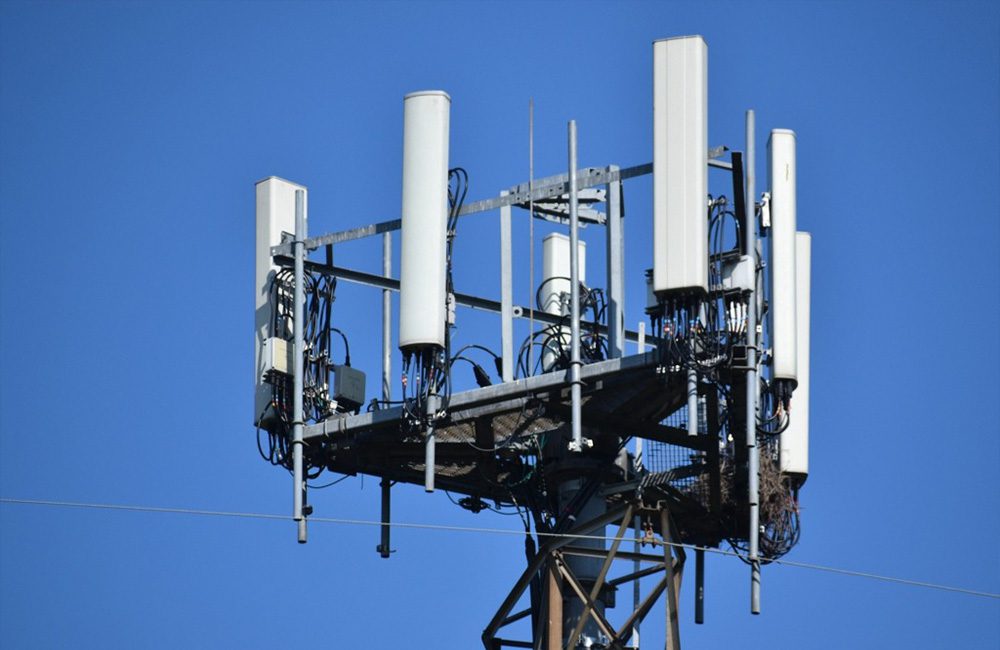
The large-scale deployment of 5G networks is accelerating globally. Compared with 4G, the power consumption of 5G base stations has increased significantly, and the power consumption of a single station is usually in the range of 3~5kW, which is 2~3 times higher than that of 4G base stations. Facing the huge pressure of energy consumption, operators have put forward higher requirements for the intelligent management of base station power systems, and accurate current monitoring is the basis for realizing this goal.
I. 5G Base Station Power System Architecture
1.1 Power supply architecture
5G base stations usually use a -48V DC power supply system, and the main components include:
- Rectifier module:Converts AC to -48V DC
- Battery pack:Provide backup power
- Distribution unit:Distribute power to each load
- Monitoring Module:Real-time monitoring of system status
1.2 Current monitoring requirements
In a base station power system, the currents to be monitored include:
- Total load current:For power calculations and capacity planning
- Battery charge/discharge current:For battery management and SOC calculations
- Each tap current:For fault localization and load management
Second, the application of shunt in the base station power supply
2.1 48V system current detection
48V system currents are typically in the tens to hundreds of amperes range, making a splitter solution suitable. Selection Points:
- Rated current: Selected according to system capacity, usually 100A~300A.
- Resistance value: 100μΩ~500μΩ, balancing measurement accuracy and power consumption
- Mounting: Bolt on for easy maintenance and replacement
2.2 Battery current monitoring
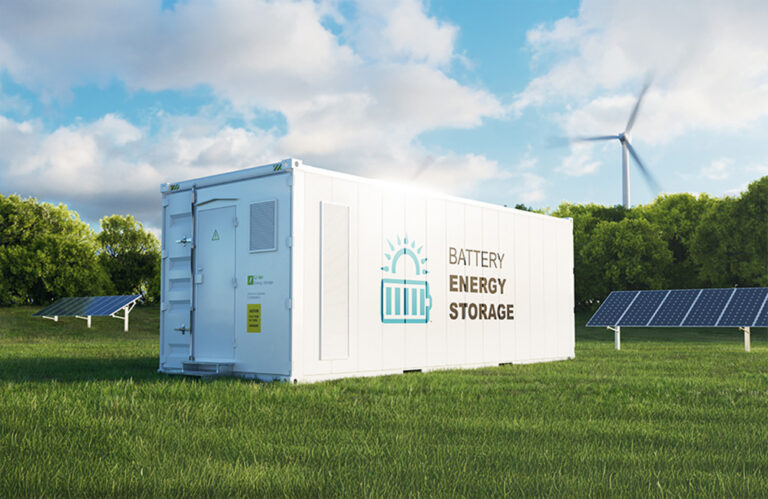
The charging and discharging current of a battery is directly related to the reserve capacity and battery life. Accurate monitoring of the battery current through the shunt can:
- Accurately calculates battery SOC and predicts power reserve time
- Detect abnormal charging and discharging, timely detection of battery failure
- Optimized charging strategy for longer battery life
III. Intelligent energy efficiency management
3.1 Demand for energy conservation and emission reduction
Operators are facing huge pressure on electricity bills and carbon reduction responsibilities, which puts higher requirements on base station energy efficiency management. Current monitoring data is the basis for realizing intelligent energy efficiency management.
3.2 Data-driven optimization
Based on accurate current monitoring data, it can be realized:
- Load Analysis:Understanding the distribution of energy consumption by equipment
- Anomaly Detection:Timely detection of energy consumption anomalies
- Energy Saving Strategies:Optimization of operating parameters according to load conditions
IV. Application cases
A world-renowned communications equipment manufacturer has adopted Safran's shunt solution for its 5G base station power monitoring system. The solution has the following features:
- Measurement accuracy: ±0.5%
- Temperature Range: -40℃~+85℃
- Used in over 100,000 5G base stations worldwide
concluding remarks
The 5G era has put forward new requirements for the intelligent management of base station power systems, and accurate current monitoring is the basis for realizing this goal. Safran's shunt products are helping the green development of the communication industry with their high precision and reliability.